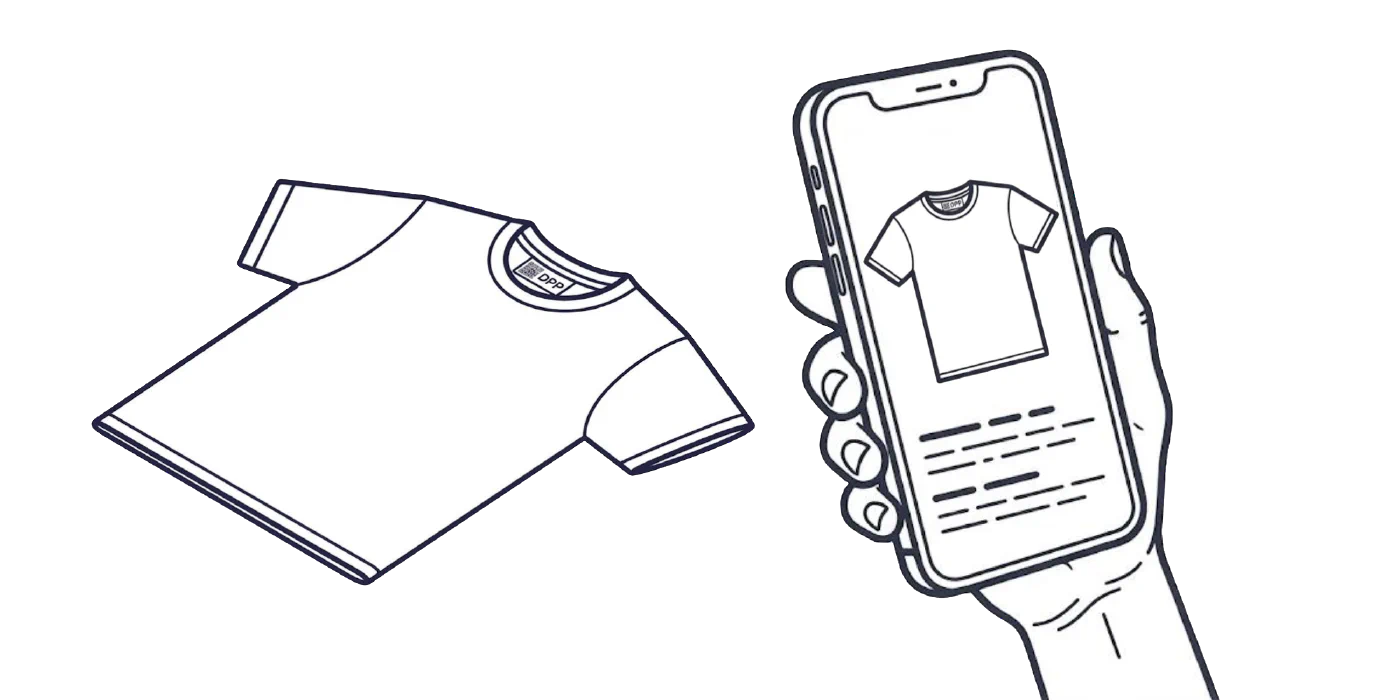
In fashion and apparel, most conversations about the Digital Product Passport (DPP) are about deadlines. Textiles are one of the priority product groups in the European Commission’s first working plan under the Ecodesign for Sustainable Products Regulation (ESPR), and the EU ban on destroying unsold clothing and footwear has applied to large companies since July 2026. That pressure is real, and brands are right to take it seriously.
But compliance is only part of the picture. Just as important is what happens after checkout: garments get washed the wrong way, repaired by someone else, resold on third-party platforms and eventually thrown away, and the brand never hears about any of it. A Digital Product Passport keeps the link alive: a code on the garment that leads to resale, repairs and care information for as long as the piece is worn.
Whether for technical outerwear, premium fashion or everyday basics: garments stay in use for years and often pass through several owners. With the code on the garment itself, the passport opens up three concrete advantages:
1. Care Instructions That Keep Customers Scanning
Care information is the least spectacular part of the passport, but it is the reason most people scan in the first weeks. A typical garment carries a bundle of tags listing fiber content, wash symbols and legal notices in a dozen languages, and performance garments shrink or lose their water repellency after the wrong wash.
With a passport, that information is always one scan away:
- Care Instructions for the Exact Model: Step-by-step washing guides, temperatures, re-proofing tips and stain removal, opened on the customer’s phone.
- Material and Origin Details: Fiber blends, recycled content, country of origin and certificates such as GOTS or OEKO-TEX, in a machine-readable format.
- A Habit That Pays Off Later: Every scan is a moment of contact with the brand, and customers who have scanned once know where to look when the zipper breaks or the jacket is ready for a second owner.
Real-World Scenario: First Wash of a Technical Jacket (Week 2)
Two weeks after buying a breathable shell jacket with a waterproof membrane and taped seams, the owner comes back from a muddy hike.
- Without a Product Passport: The tags at the hip scratched, so they were cut off on day one. The jacket goes into the machine at 60 degrees with regular detergent and fabric softener. The membrane clogs, the water-repellent finish washes out and the seam tape starts to peel. The jacket is ruined, and the brand gets the blame.
- With a Digital Product Passport: A soft woven QR label sits inside the collar. One scan with the phone camera opens the care guide for this model: a gentle 30-degree cycle with a technical wash, no fabric softener, then a short tumble dry on low heat to reactivate the finish. The jacket stays waterproof and breathable.
2. Faster Repairs and Proof of Authenticity
When a zipper jams, a snap pulls loose or the lining tears, getting a garment repaired is often harder than it should be. The receipt is gone, nobody remembers the model year, and it is unclear whom to contact. Meanwhile, counterfeits on resale platforms undermine trust in the original brand.
A scan gives the brand’s service team everything it needs to know about the garment:
- One Record per Garment: Each piece is identified by model, color and production season, which also makes counterfeits easier to spot.
- Repair Requests in a Few Taps: Customers photograph the damage in the passport and send a complete request to the brand’s repair service.
- The Right Part the First Time: The service team sees the exact zipper type, snap size or seam tape color and sends original parts to the repair partner.
Real-World Scenario: Broken Zipper Slider on a Technical Jacket (Month 8)
Eight months after buying the same kind of jacket, its owner is stuck with a snagged main zipper and a broken slider.
- Without a Product Passport: The invoice is long gone. The owner does not know whether the jacket is still under warranty or where to find a matching slider. The local tailor turns the job down because they do not stock waterproof zippers. The jacket ends up at the back of the closet, or in the trash.
- With a Digital Product Passport: The owner scans the label in the collar, taps “Request repair” and uploads two photos. The zipper is identified automatically: waterproof molded zipper, size 5, slate gray. Minutes later, a prepaid shipping label arrives for the brand’s repair workshop, and three days later the jacket is back, repaired to factory standard.
3. Resale, Trade-In and Fiber Recycling
Second-hand keeps growing, but most of it happens on third-party platforms, and brands earn nothing when their garments are sold a second time. At the end of a garment’s life the picture is similar: most discarded clothing is still burned or landfilled, partly because sorting facilities cannot reliably tell what a garment is made of.
The passport stays with the garment through every change of owner:
- A Second Margin on the Same Garment: The brand checks, cleans and resells authenticated pieces in its own pre-owned shop.
- Trade-In as the Supply: Customers send worn items back in a few taps and get store credit, which fills that shop and brings them back for their next purchase.
- Trust on Other Platforms Too: When a piece is resold elsewhere, the buyer can scan the label to check it is genuine and still gets the brand’s care instructions.
- Sorting for Fiber-to-Fiber Recycling: Recyclers read fiber blends, dyes and chemical finishes from the passport instead of guessing, which makes high-quality textile recycling far more practical.
Real-World Scenario: Trade-In and Resale of a Technical Jacket (Year 2)
Two years after buying a three-layer shell jacket, the owner wants a newer model. The old jacket is in good shape but no longer worn.
- Without a Product Passport: Listing it on a peer-to-peer marketplace takes time, because the model name and original price are long forgotten, and buyers question whether it is genuine. Eventually it goes into a clothing bin, where its unknown fiber content means it is shredded into low-grade rags.
- With a Digital Product Passport: The owner scans the label and taps “Trade in”. Based on model and age, the brand offers 65 euros in store credit. It then cleans the jacket and sells it in its own pre-owned section for 120 euros. When the jacket finally reaches the end of its life, the sorting line reads its exact fiber composition and sends it to fiber-to-fiber recycling.
Frequently Asked Questions: Digital Product Passports for Fashion and Apparel
When does the Digital Product Passport become mandatory for textiles and apparel?
Textiles are one of the priority product groups in the Commission’s first ESPR working plan. The passport becomes mandatory once the Commission adopts the delegated act for textiles, which will set the required data points and the date from which they apply. One ESPR rule already applies today: since 19 July 2026, large companies may no longer destroy unsold apparel and footwear, and must report publicly on the unsold products they discard. The same ban applies to medium-sized companies from 2030.
Won’t customers cut this label off too?
If the code sits on a hang-tag or in the bundle of care tags at the hip, they will. The regulation does not settle this for you: ESPR only requires the data carrier to be on the product, its packaging or the documents that come with it, and the delegated act for textiles will specify which. A code on the hang-tag or the shipping box may be enough to comply, but it is gone the moment the customer unpacks. Brands that want the value described above put the code where it stays:
- Printed on the Fabric Inside the Neck: Many basics already use a printed label instead of a sewn-in one, so there is nothing to cut off.
- Woven into the Brand Label: Few people remove the brand label in the collar, and second-hand buyers actively look for it.
- A Second Carrier as Backup: On higher-priced items, an NFC tag in the hem or the brand badge, or an engraving on a zipper pull or button.
Whichever carrier you choose, it has to survive the wash without scratching, which is what soft woven codes, flexible heat-transfer prints and sealed NFC tags are designed for. The European standard for DPP data carriers also sets minimum print quality and error correction, so that a partly worn code still scans. No placement is completely cut-proof, which is why two carriers make sense for garments that are likely to be repaired or resold.
Does scanning the label require an app, and does it still work after resale?
No app is needed, and yes, it keeps working. The phone’s built-in camera reads the QR code and opens the passport in the browser, whether the shopper is in the fitting room on day one or bought the jacket second-hand years later. Nobody has to create an account with your brand to read the care instructions or the fiber composition. Garments with an NFC tag can also be read by tapping a phone against the label, which most current smartphones support without extra software.
What does a shopper see, and what stays reserved for recyclers and authorities?
That depends on who scans the label. ESPR requires access to the passport to be regulated by role, and the delegated act for textiles will specify the exact rights for each group. A shopper or second-hand buyer sees fiber composition, care instructions, repair guides and trade-in options. A sorting or recycling facility gets the detail consumers never need, such as exact yarn blends, chemical finishes and elastane ratios. Supply chain declarations, certificates such as OEKO-TEX or bluesign and REACH test reports are reserved for market surveillance authorities.
For resale and trade-in, one rule matters in particular: ESPR does not allow customers’ personal data to be stored in the passport without their explicit consent. A garment can change hands several times and carry its repair history along, but not the names of its owners.
Conclusion: A Lasting Link Between Garment and Brand
For fashion brands, the Digital Product Passport is more than another EU labeling requirement. Placed on the garment itself, it gives every piece a lasting link back to the brand: a second sale through the brand’s own resale, repairs the brand controls, and care advice that keeps customers coming back. Brands that treat the code as part of the garment rather than a compliance sticker turn a regulation into loyal customers and a second source of revenue.
To keep implementation straightforward, itemactive provides the white-label DPP platform to connect passports to your garment labels without replacing your existing ERP or PLM systems.